Most people are now aware that indoor air
pollution is an issue of growing concern and increased
visibility. Many companies are marketing products and
services intended to improve the quality of your indoor air.
You have probably seen an advertisement, received a coupon
in the mail, or been approached directly by a company
offering to clean your air ducts as a means of improving
your home's indoor air quality. These services typically --
but not always -- range in cost from $450 to $1,000 per
heating and cooling system, depending on the services
offered, the size of the system to be cleaned, system
accessibility, climatic region, and level of contamination.
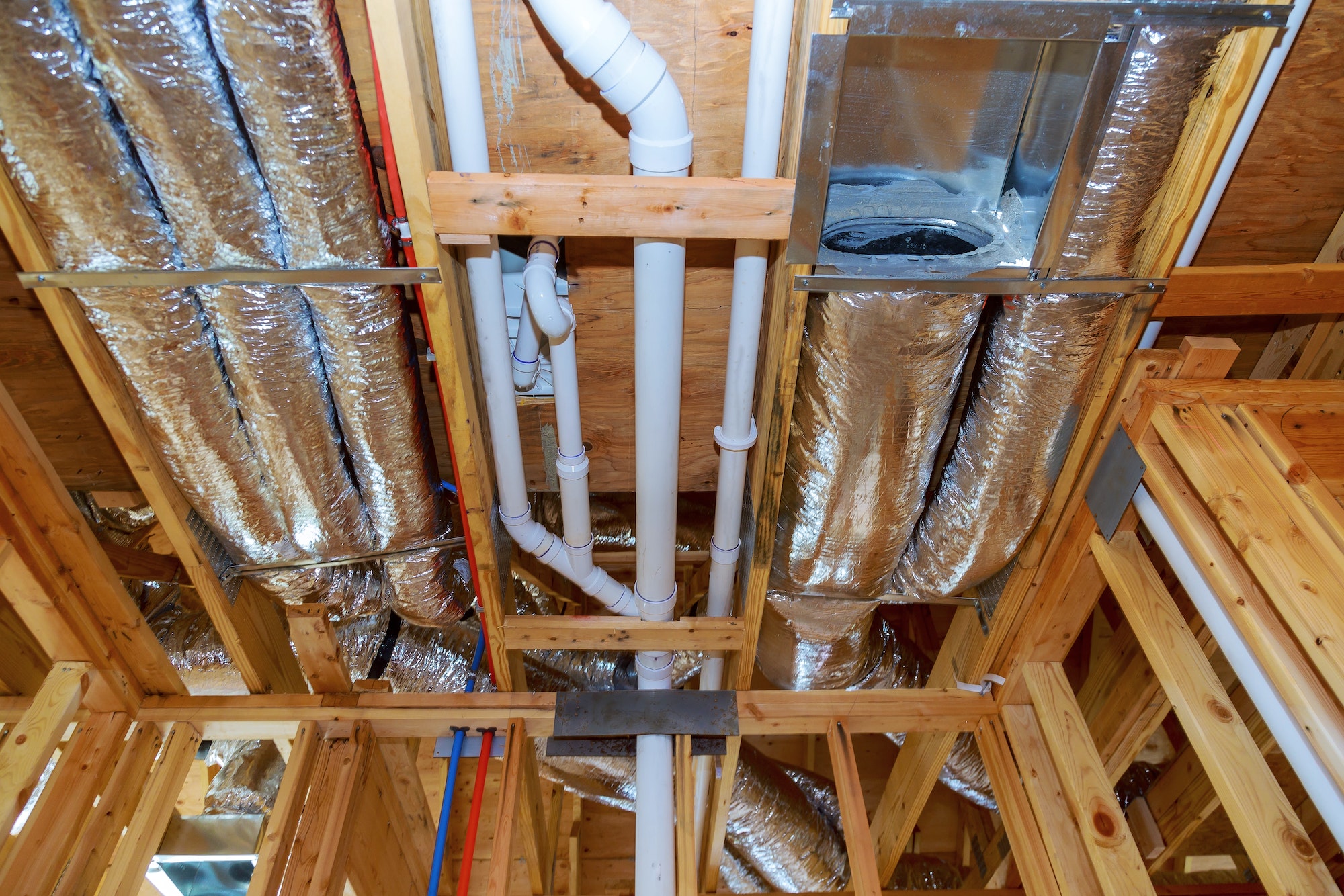
Duct cleaning generally refers to the cleaning of various
heating and cooling system components of forced air systems,
including the supply and return air ducts and registers,
grilles and diffusers, heat exchangers heating and cooling
coils, condensate drain pans (drip pans), fan motor and fan
housing, and the air handling unit housing (See
diagram).
If not properly installed, maintained, and operated,
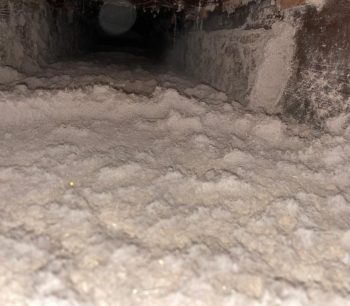
these components may become contaminated with particles of
dust, pollen or other debris. If moisture is present, the
potential for microbiological growth (e.g., mold) is
increased and spores from such growth may be released into
the home's living space. Some of these contaminants may
cause allergic reactions or other symptoms in people if they
are exposed to them. If you decide to have your heating and
cooling system cleaned, it is important to make sure the
service provider agrees to clean all components of
the system and is qualified to do so. Failure to clean a
component of a contaminated system can result in
re-contamination of the entire system, thus negating any
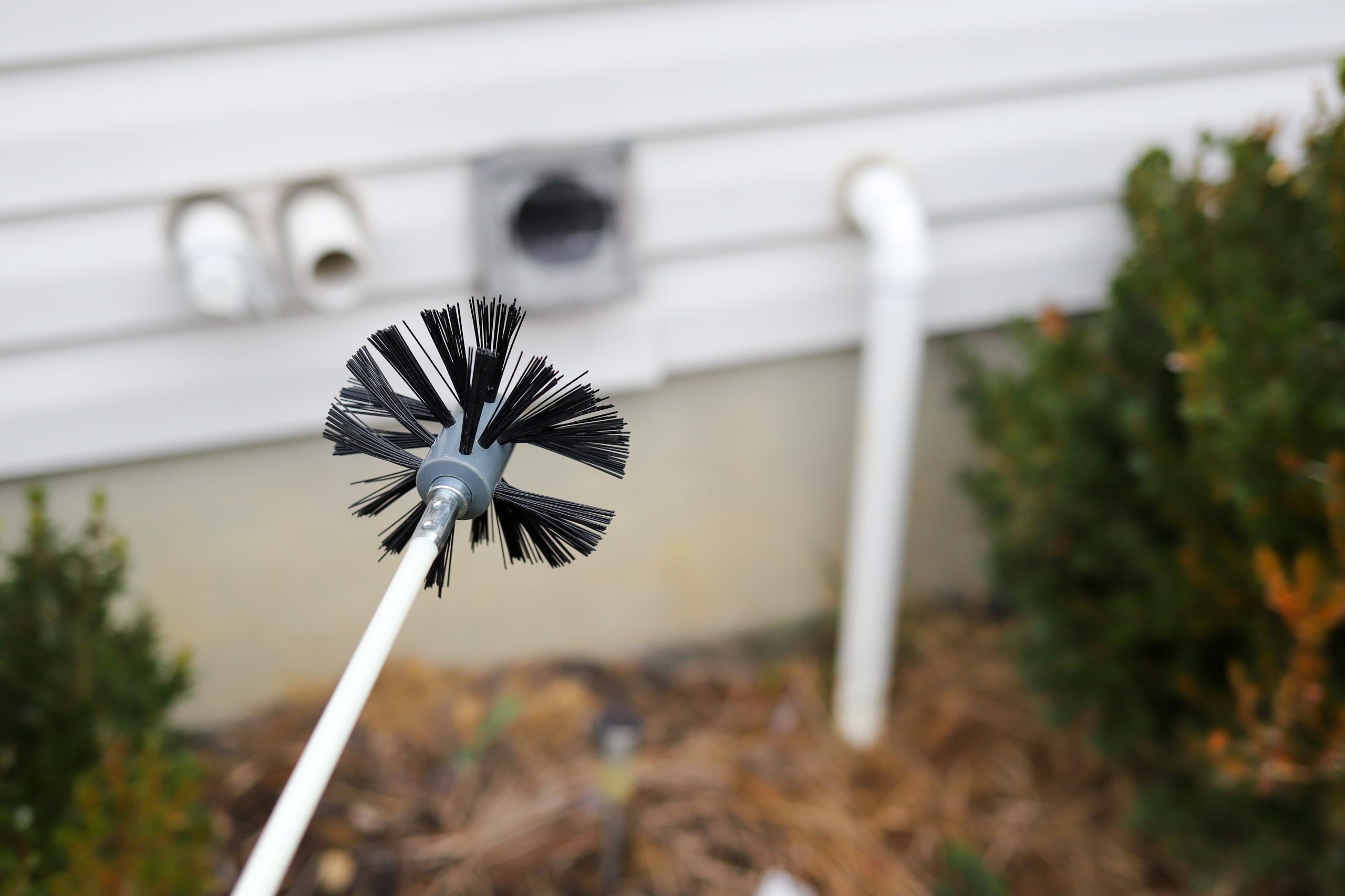
potential benefits. Methods of duct cleaning vary, although
standards have been established by industry associations
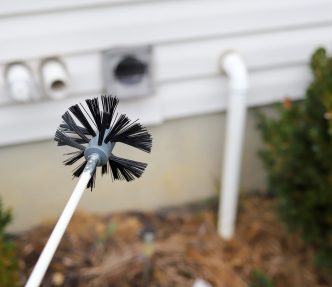
concerned with air duct cleaning. Typically, a service
provider will use specialized tools to dislodge dirt and
other debris in ducts, then vacuum them out with a
high-powered vacuum cleaner.
In addition, the service provider may propose applying
chemical biocides, designed to kill microbiological
contaminants, to the inside of the duct work and to other
system components. Some service providers may also suggest
applying chemical treatments (sealants or other encapsulants)
to encapsulate or cover the inside surfaces of the air ducts
and equipment housings because they believe it will control
mold growth or prevent the release of dirt particles or
fibers from ducts. These practices have yet to be fully
researched and you should be fully informed before deciding
to permit the use of biocides or chemical treatments in your
air ducts. They should only be applied, if at all, after the
system has been properly cleaned of all visible dust or
debris.